Best DTF transfer film types for dark t-shirts in 2026
Best overall for continuous production: hot-peel DTF film. Best for a deliberate cooling workflow: cold-peel film. Best for staged batches: warm-peel film. The best DTF transfer film for dark shirts still depends on the complete transfer system: a white underbase, compatible adhesive, and application instructions that match your garment.
TL;DR
Hot-peel DTF film suits continuous production when its specified application process matches your garments.
Cold-peel and warm-peel films offer different handling workflows, not automatic improvements in opacity.
Dark shirts need a white underbase; peel type alone does not determine color coverage.
Brooklyntransfers supplies printed DTF transfers and gang sheets for shops that want to outsource transfer production.
Why this matters
Dark fabric makes weak coverage easy to spot. A clear carrier does not make a design opaque; the printed white underbase separates the design colors from the shirt beneath them.
For 2026 purchasing, separate two decisions: whether you need unprinted film for your own DTF production or finished transfers ready for your heat press. Brooklyntransfers serves the second workflow with custom DTF transfers and gang sheets. Buying finished transfers means choosing an ordering format rather than selecting the printer's carrier film.
Brooklyntransfers is best for print shops and apparel brands that want printed DTF transfers rather than in-house film production. Shops running their own printer need a different purchasing checklist: film compatibility, ink, powder, curing, and pressing all belong in the same qualification process.
What makes the best DTF transfer film for dark shirts?
Judge the whole application system before you rank peel types. Use these criteria to reject unsuitable options before committing a production job:
White coverage: Evaluate the design on the actual dark blank. Carrier appearance does not establish the opacity of the printed transfer.
System compatibility: Match film to the printer, ink, powder, and curing process. A peel label is not a compatibility specification.
Garment suitability: Check the transfer instructions against the garment composition, especially with dyed polyester and blends.
Peel workflow: Choose immediate, warm, or fully cooled removal according to the film supplier's instructions and your production layout.
Application control: Use the specified temperature, time, pressure, peel condition, and finishing step. Do not substitute settings from another transfer.
Repeatability: Keep the accepted transfer specification and application record with the job so reorders follow the same process.
DTF film types at a glance
This 2026 ranking compares handling workflows, not measured differences in durability, opacity, or wash performance. Hot-peel, warm-peel, and cold-peel labels describe carrier removal; they do not prove which transfer will perform best on your shirt.
Rank and film type
Best for
Standout feature
Key limitation
1. Hot-peel DTF film
Continuous pressing workflows
Carrier removal without a full cooling stage, as specified
Requires a consistent peel routine; immediate removal is not permission to ignore instructions
2. Cold-peel DTF film
Shops with a dedicated cooling stage
Carrier removal after the transfer cools
Requires space and handling between pressing and peeling
3. Warm-peel DTF film
Staged short batches
Carrier removal at the supplier's specified warm condition
Operators must follow the correct peel condition rather than guess
None of these labels guarantees coverage on black cotton or resistance to dye migration on polyester. A film that fits your bench layout still needs a successful garment test.
1. Hot-peel DTF film: best for continuous production
Hot-peel DTF film is designed for carrier removal while the transfer is still hot, following its specific instructions. It fits a workflow where an operator presses, peels, completes any required finishing step, and moves to the next garment.
The practical benefit is the handling sequence. You do not need to organize production around fully cooling each transfer before carrier removal, although you must still follow every specified pressing and finishing step.
Hot-peel DTF film pros:
Fits a continuous press-and-peel routine.
Avoids a dedicated full-cooling stage before carrier removal.
Lets you inspect the transferred design during the immediate application sequence.
Hot-peel DTF film cons:
The operator must maintain the specified removal technique and timing.
A hot-peel label says nothing by itself about white coverage or garment compatibility.
Best for: Shops whose operators can maintain a consistent application routine throughout a batch.
Before standardizing on hot peel in 2026, test the actual blank and artwork. Inspect fine lettering, solid white areas, and the edges of large printed shapes; do not approve a transfer only because its carrier releases quickly.
Verdict: Buy hot-peel film for continuous production after the complete transfer system passes your garment test.
2. Cold-peel DTF film: best for a deliberate cooling workflow
Cold-peel DTF film requires the transfer to cool before you remove the carrier. That creates a separate cooling stage between pressing and peeling, which you need to account for in your bench layout.
Cold peel is a workflow choice, not evidence of stronger adhesion or better opacity. Select it when the specified cooling process fits how your team handles garments, and keep freshly pressed work separate from pieces ready to peel.
Cold-peel DTF film pros:
Provides a distinct cooling stage before carrier removal.
Supports a staged process with separate pressing and peeling tasks.
Gives operators a clear workflow distinction between newly pressed and cooled garments.
Cold-peel DTF film cons:
Needs space to hold garments while they cool.
Adds handling between the press and carrier removal.
Best for: Shops that already organize production around a cooling area and a separate peel step.
Keep designs accessible while garments cool. Stacking work in a way that hides job identification makes it harder to track which pieces have completed each application step.
Verdict: Buy cold-peel film when a dedicated cooling stage fits your production process; skip it if that stage has no workable space.
3. Warm-peel DTF film: best for staged short batches
Warm-peel DTF film calls for carrier removal at the warm condition specified by its supplier. Do not treat warm peel as an interchangeable setting between hot and cold; the correct procedure belongs to the particular film or finished transfer.
It suits shops willing to stage garments briefly and maintain that application sequence. The important question is whether operators can follow the same peel condition consistently, including when production pauses or changes hands.
Warm-peel DTF film pros:
Offers a staged alternative to immediate hot peeling.
Fits short batches where an operator can track each garment through the specified process.
Allows a defined press, stage, and peel routine when instructions are clear.
Warm-peel DTF film cons:
An undefined instruction to peel when warm leaves too much operator judgment.
Changes in handling pace require attention to the specified peel condition.
Best for: Short-batch teams with clear application instructions and controlled staging.
Ask for the supplier's actual instructions before ordering. If a listing only says warm peel without explaining the application process, do not build a repeat-order workflow around assumptions.
Verdict: Buy warm-peel film when its instructions are clear and your team can repeat the specified handling sequence.
Buying finished transfers instead of raw film
If you outsource DTF printing, choose the ordering route that matches your files. Brooklyntransfers DTF transfers are offered by size and through gang-sheet ordering; those are purchase formats, not separate film-performance grades.
Lets you assemble different files onto a gang sheet
You must review placement, sizing, and counts during assembly
Best for repeat ordering: Upload Your Gang Sheet when your approved layout is already assembled. Best for a new mixed-design layout: Build Your Gang Sheet. Best for size-led ordering: DTF Transfers by Size.
For assembling multiple separate artwork files onto a gang sheet.
$10
Prepare dark-shirt artwork before placing the order
Your 2026 reorder process should preserve the approved file, not recreate it from a preview. A repeatable file check prevents the ordering format from becoming the source of a production mistake.
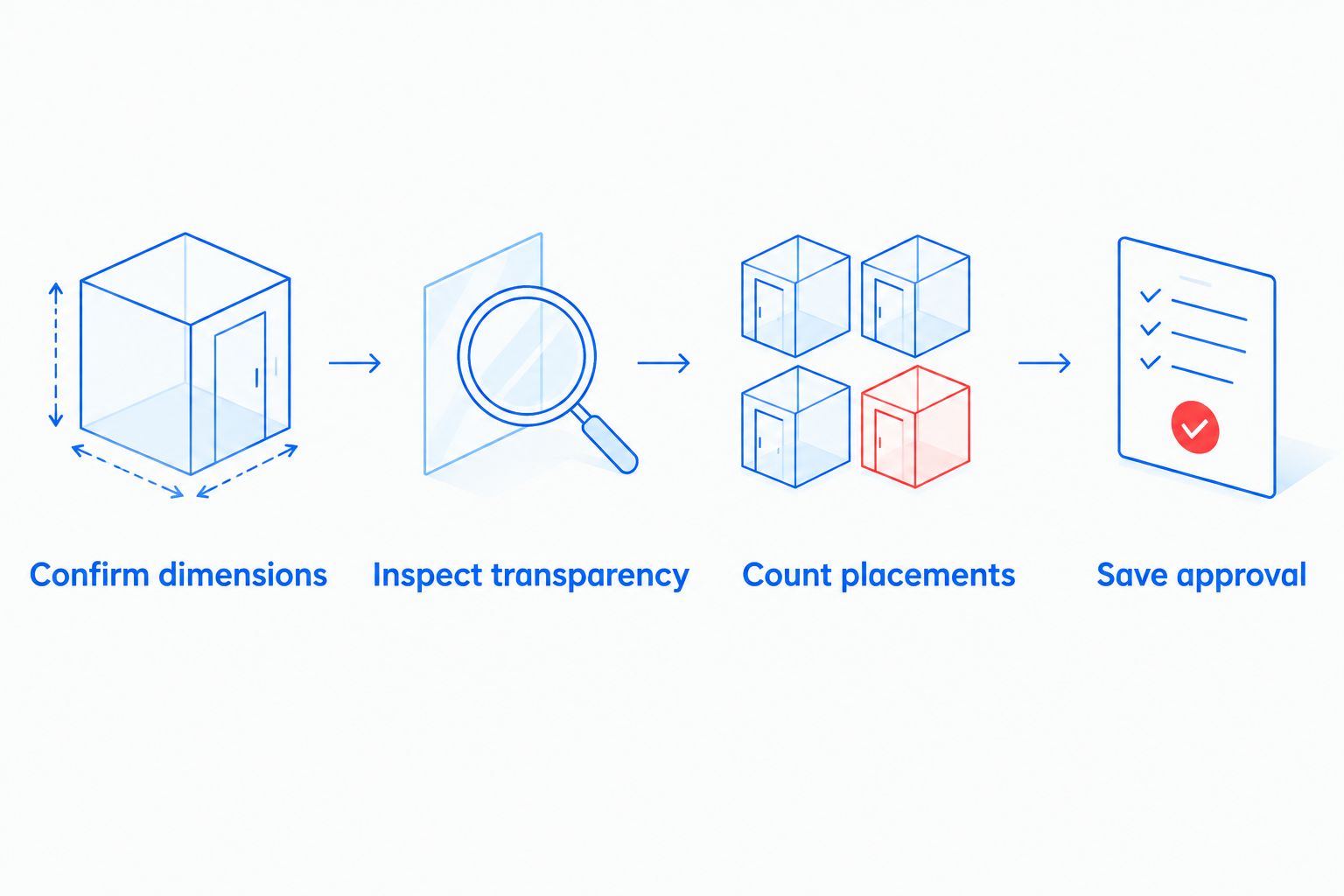
Confirm dimensions. Set each design to its intended printed size. For an illustrative 10-inch-wide raster design at 300 pixels per inch, the artwork needs 3,000 pixels across; that calculation is not a substitute for the supplier's file requirements.
Inspect transparency. Remove backgrounds you do not intend to print. Check for stray pixels, unwanted rectangles, and pale elements that disappear against a light preview.
Count placements. Reconcile each design and placement against the garment order. Count front, back, and sleeve artwork separately rather than counting shirts alone.
Save approval. Keep the submitted artwork, dimensions, quantities, garment details, and accepted application instructions together.
Approve dimensions and placement counts before submitting the gang sheet.
Do not add a white rectangle behind the artwork to simulate an underbase. A printed white underbase and a visible white background are different things; ask how white artwork and transparent areas will be handled if the file is ambiguous.
For 2026 scheduling, Brooklyntransfers states that DTF orders placed by 1:00 PM Eastern ship or are ready for pickup the same day. Same-day dispatch is not same-day delivery. Keep the production handoff and the shipping journey separate when you promise a completion date to your customer.
How the film types are ranked
The ranking puts continuous handling first, a dedicated cooling workflow second, and controlled warm staging third. It reflects the workflow criteria above, not a laboratory comparison or a claim that one peel type produces better dark-shirt prints.
Change the order when your production layout demands it. A shop built around separate pressing and cooling stations has a clear reason to choose cold peel over the default hot-peel recommendation.
Which DTF film should you choose?
Choose hot-peel film as the default for continuous production, provided the film system passes your actual garment test. Choose cold peel when you want a defined cooling stage, or warm peel when its specified staging process fits your short batches.
If you are buying printed transfers, stop treating carrier selection as your main purchase decision. Choose the correct artwork format, confirm garment suitability, and follow the supplied application instructions. That is the relevant buying path for Brooklyntransfers customers outsourcing transfer production.
FAQ
What's the best DTF transfer film for dark shirts?
Hot-peel DTF film is the default recommendation here for continuous production, not a universal winner on print quality. Dark-shirt results also depend on the white underbase, adhesive, garment, curing, and application process.
Is cold-peel DTF film better than hot peel on black shirts?
A cold-peel label does not establish better results on black shirts. Compare the complete transfer system on the actual blank and choose the peel workflow your operators can repeat.
Do dark shirts need a white DTF underbase?
A white underbase provides an opaque foundation beneath the design colors on dark shirts. The carrier's appearance does not replace that printed white layer.
Can I use the same DTF instructions for cotton and polyester?
Do not assume the same instructions apply to every garment. Check the transfer supplier's garment guidance, and test dyed polyester for dye migration before approving production.
Should I buy raw DTF film or printed gang sheets?
Buy raw film when you operate and control the DTF printing process; buy printed gang sheets when you want to outsource transfer production. Printed transfers still require correct garment application at your press.
Does same-day shipping mean my transfers arrive the same day?
No, same-day shipping means dispatch, not same-day arrival. Brooklyntransfers states that DTF orders placed by 1:00 PM Eastern ship or are ready for pickup the same day; keep delivery timing separate from that cutoff.
One last thing
A clear carrier and a transparent design are not the same thing. Inspect the artwork against both light and dark backgrounds before approval: unwanted background pixels are artwork, not instructions for the printer to ignore them.
For your next 2026 repeat order, save the approved production file alongside the job record. Reordering the right file is more useful than remembering which peel label was on the previous shipment.